Missi Roti (Indian flat breads)


IMG_7778

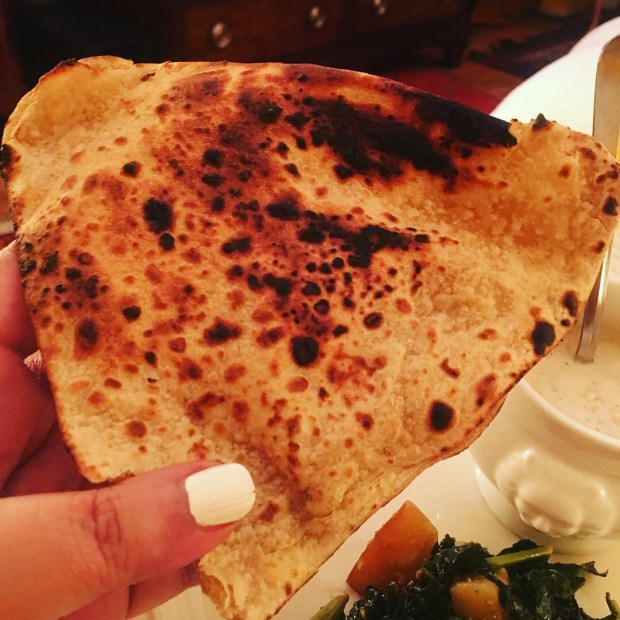
Yesterday on face book I posted a simple dinner of parathas that my mother made for me. It got a lot of like and an interest in the recipe.  There are so many ways to make this versatile bread – this is one way. I hope you try it and add it to your cooking repertoire.
IMG_5909

Home made bread is a big deal in Indian homes. And by big deal I mean we eat it almost every day and most of it is made at home, at least when I was growing up.
There is roti, paratha, poori – most of which I have talked of in the past. I want to talk about what we call Missi Roti (why it’s called that – I am not sure). I tried to research it, trust me. This is all I got other than recipes: A Missi Roti is actually a normal roti, made with the normal dough as described earlier, to which various other types of flour and spices have been added. There isn’t any fixed recipe for this – it’s each one to his own here. One simple example would be to mix equal proportions of whole meal wheat and gram flour with some red chilli powder, salt, kasuri methi(fenugreek) and perhaps a little cuminseed, add some water and make a soft dough. You could also knead in a little oil if you like. When done, cook on a hot griddle like a normal Roti.

What’s in a name. Let’s just get to learn how to make it.
My mom typically makes this when there is leftover lentils – which is often.
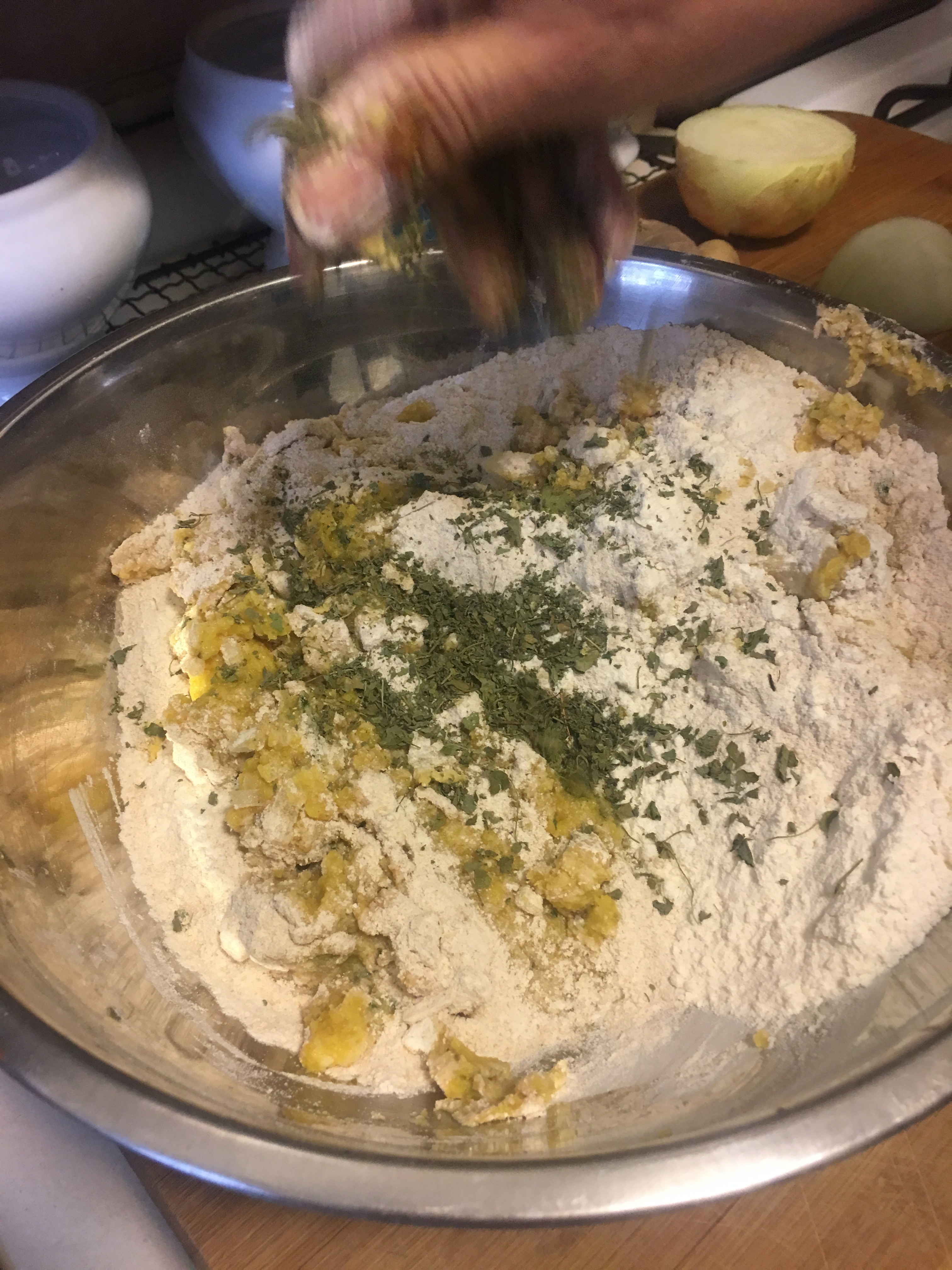

I used 3 cups of durum wheat flour (found in Indian stores – use whole wheat instead)
1 cup of chickpea flour (optional)
1-2 cups of left over cooked lentils
1/2 onion, finely chopped
1 tsp. methi (fenugreek leaves)
chopped cilantro
grated ginger (optional)
salt
1/2 tsp ajwain seeds (found in Indian stores)
2 tbs oil plus more for cooking the bread
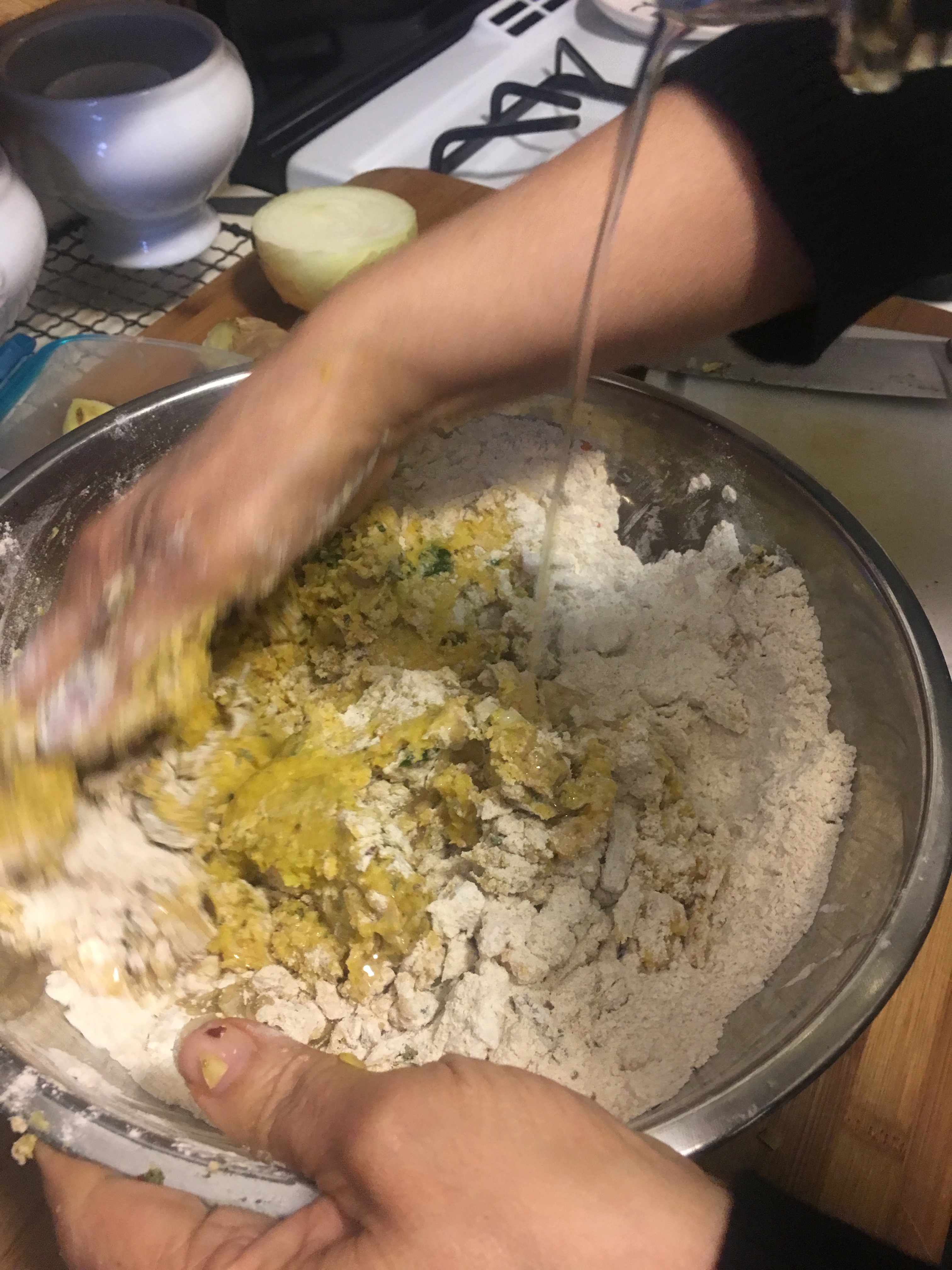
You might not need to put any water – depends on the amount of liquid in the lentils.

Knead the dough with all the ingredients just until it comes together and you are able to handle it without it being too sticky.
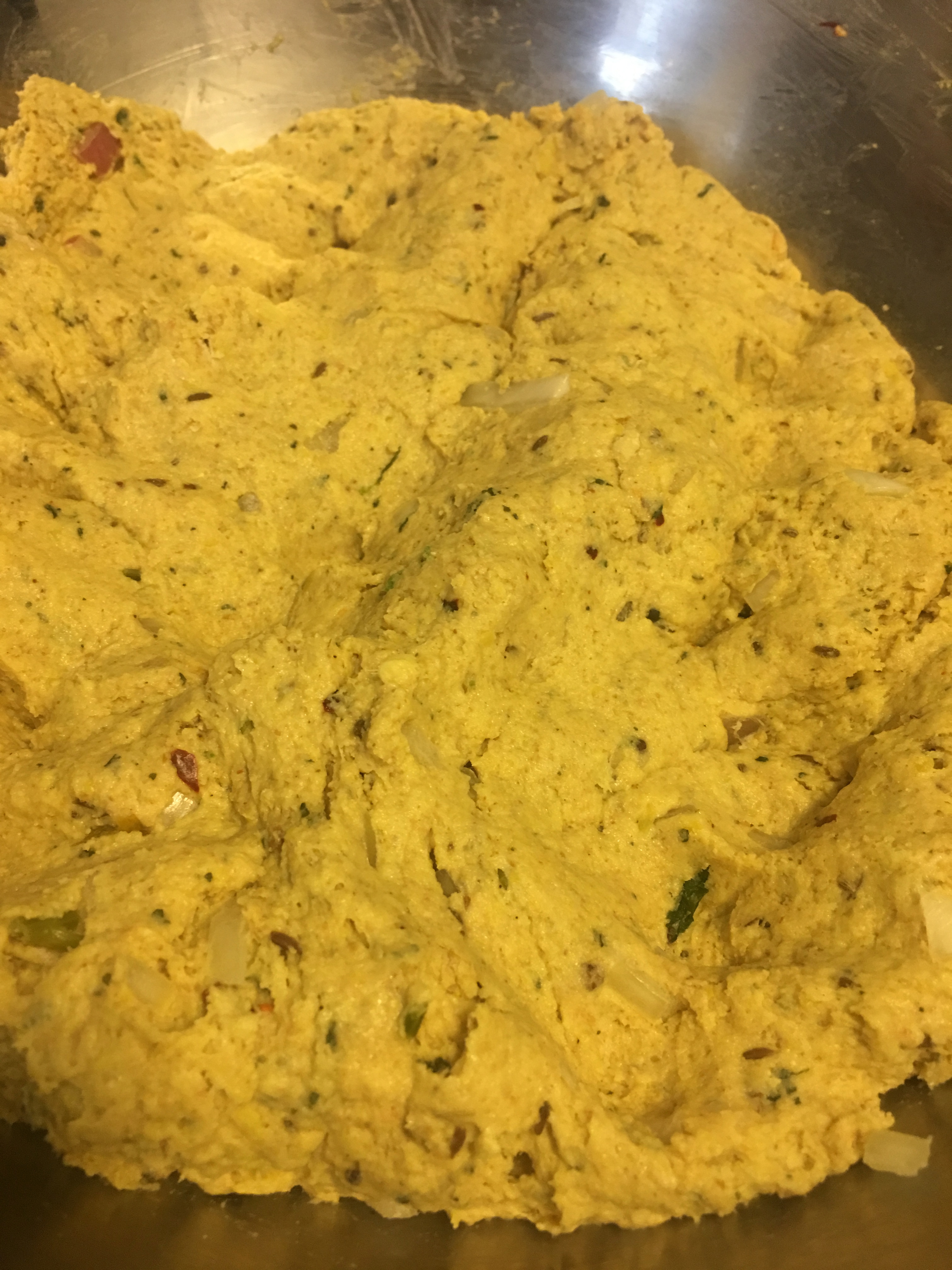
This is what the dough should look like.
If you like, form a small ball, flatten it and cook it to check for seasoning.

Let the dough rest for about 30 minutes. If you refrigerate it, make sure you let it come to room temperature before cooking.
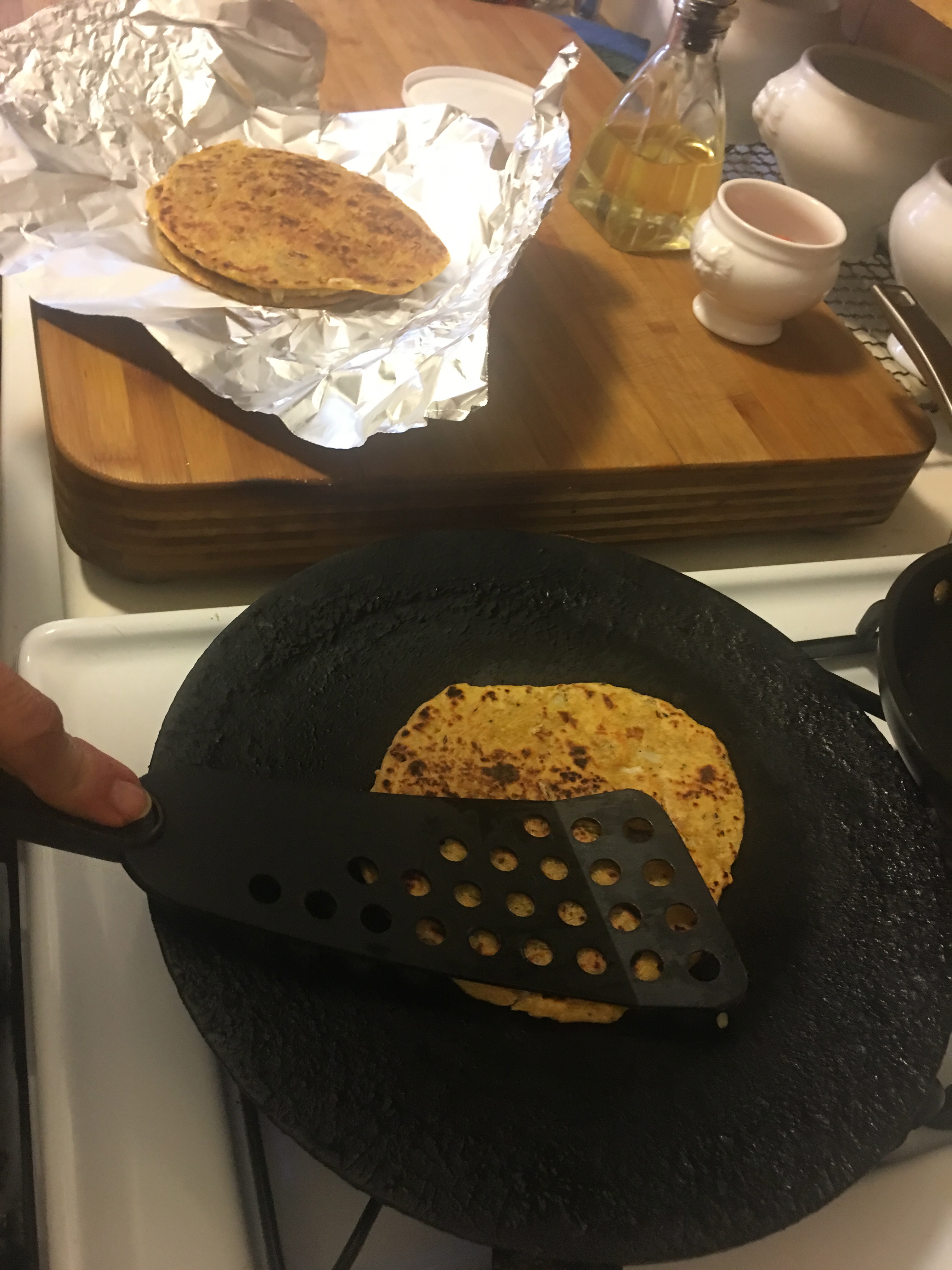
Form golf size balls of the dough and roll out into discs.

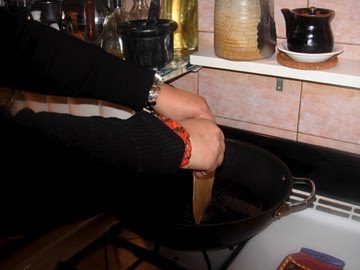
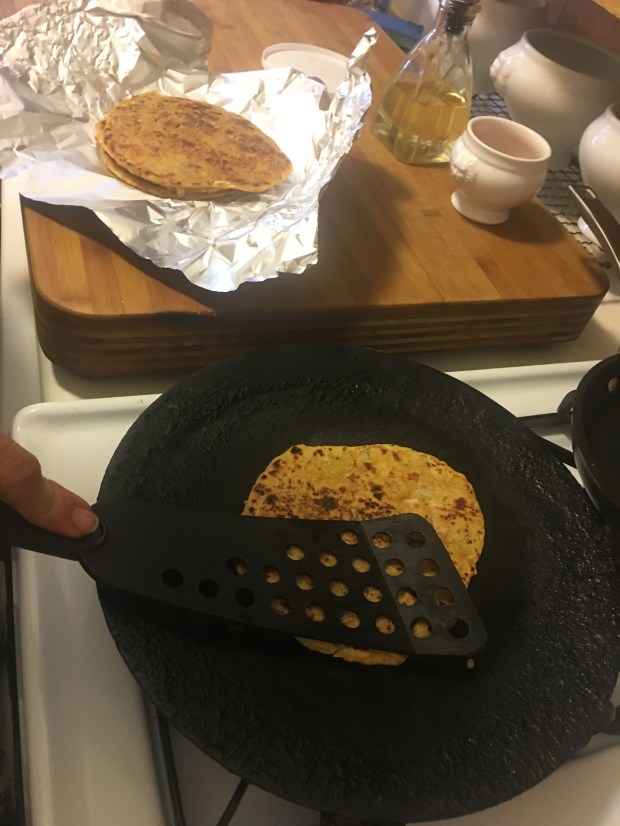
Use an iron skillet (a tawa) or a non stick pan to cook the bread.
Cook on one side for a couple of minutes – flip and brush a little oil on both sides.

My mother makes several rotis and stores them just a little underdone.

You can freeze these and when ready to eat – heat in a toaster oven or on a skillet.
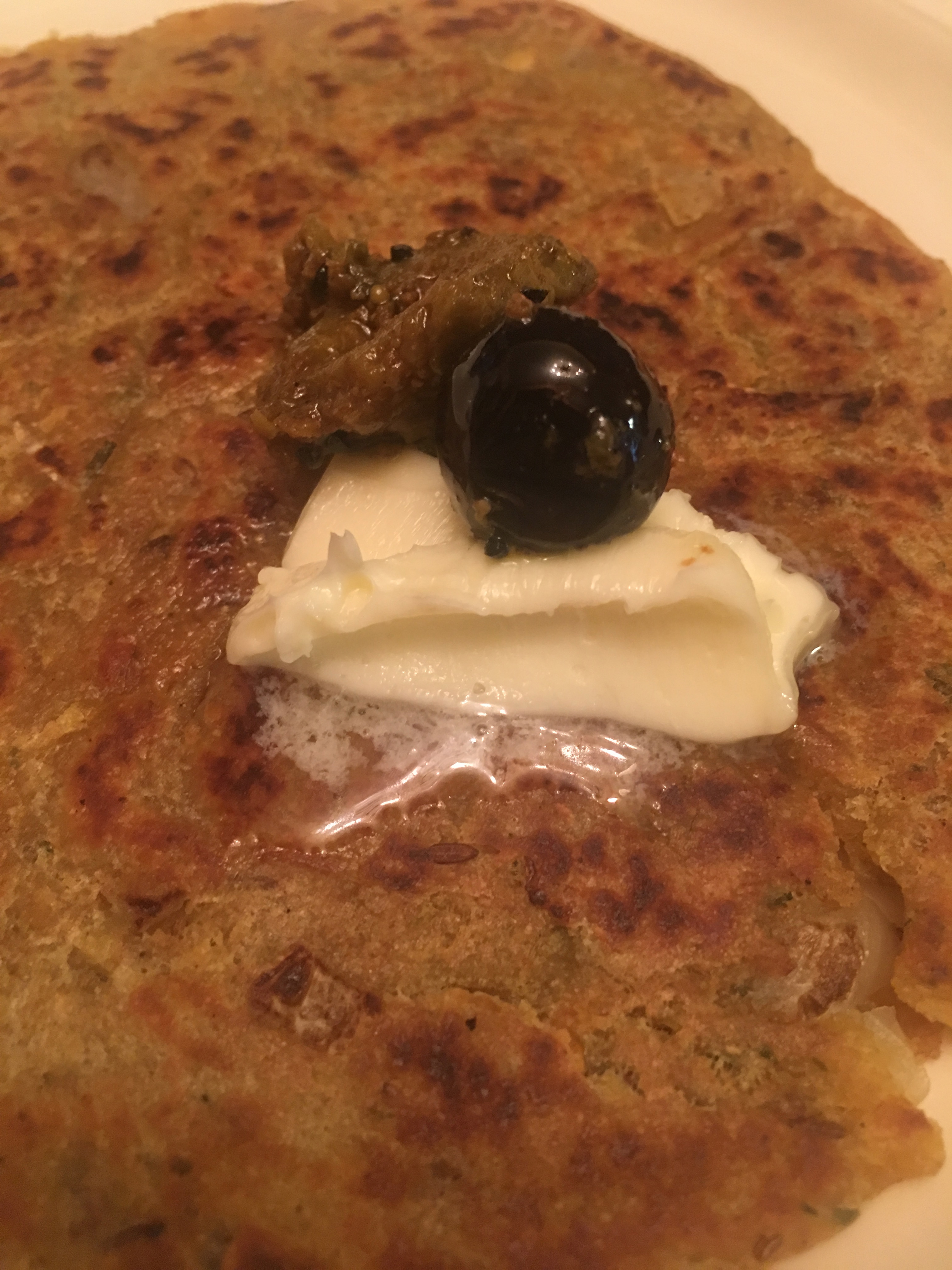
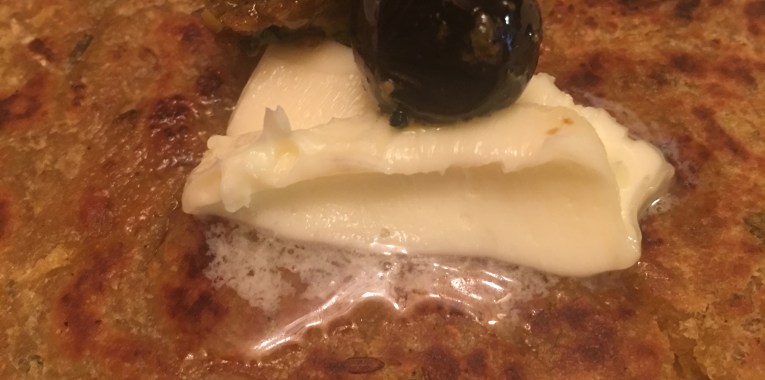
These bread are traditionally eaten for breakfast with yogurt and pickles or butter.

I hope you try this bread – it is a great way of cleaning your refrigerator.

Until I cook again!

Happy Diwali

IMG_7466What is Diwali?

In short and what it means to me:

Diwali is celebrated by Hindus, Jains, and Sikhs and some Buddhists[14] to mark different historical events, stories or myths but they all symbolise the victory of light over darkness, knowledge over ignorance, good over evil, hope over despair.[5][31][32]

The Yoga, Vedanta, and Samkhya schools of Hindu philosophy share the belief that there is something beyond the physical body and mind which is pure, infinite, and eternal, called the Atman. The celebration of Diwali as the “victory of good over evil” refers to the light of higher knowledge dispelling all ignorance, the ignorance that masks one’s true nature, not as the body, but as the unchanging, infinite, immanent and transcendent reality. With this awakening comes compassion and the awareness of the oneness of all things, and knowledge overcomes ignorance. Diwali is the celebration of this inner light over spiritual darkness,[33][34] knowledge over ignorance, right over wrong, good over evil.[35][36]

If you want to know more :

https://en.wikipedia.org/wiki/Diwali

My family celebrates with lighting a special candle (diya) after sundown and making an offering to Saraswati, the goddess of wealth and knowledge.

We then all dress up in our finest and enjoy a delicious vegetarian meal.

57dcb-dscn1285IMG_4036

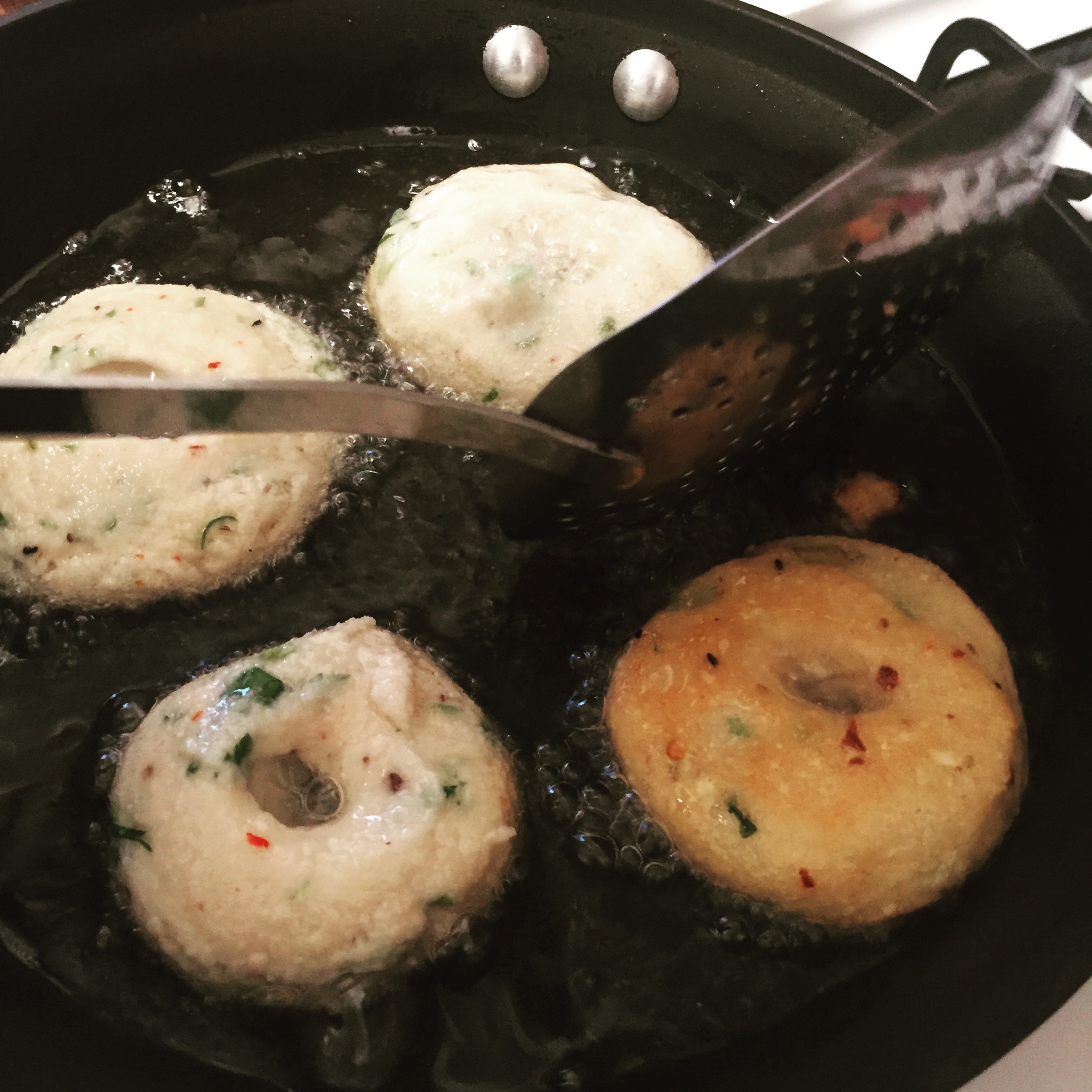
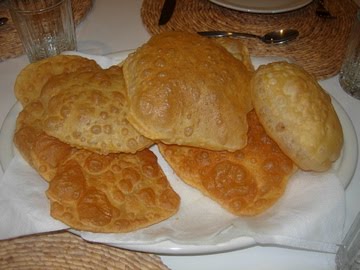
There might be pooris – fried bread with potatoes and chickpeas and other things like fritters.

https://indianculinarycenternyc.wordpress.com/2015/08/04/the-most-delicious-potatoes-ever-i-guarantee-it-aka-achaari-aloo/

Sweets are exchanged and people celebrate with fireworks.

Most households also buy things for the kitchen which inspires a flourishing family life and gold jewels for prosperity.

IMG_0830

Whatever your beliefs, the idea of tradition, family, peace and good food should appeal to all.

Happy Diwali

The Joy of the Poori (Fried Indian Puffed Bread)

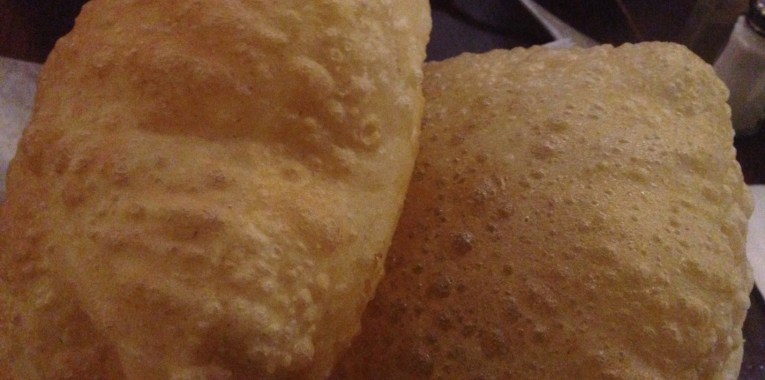
Who can resist these fried discs of joy?

P for Puris or Pooris

Pooris are the fried puffy breads that we all love so much.
Since they require frying-pooris are generally made on weekends or special occasions.

The technique is quite simple. When frying anything-safety is key.

Use a heavy bottom pot that is sturdy and never fill oil more than half way up. Use a thermometer if you are new to frying and the temperature should be about 370 degrees, or use chopsticks and when lots of bubbles surround the stick – you are ready to fry.

Pooris (Fried Puffed Breads)
Makes 10
2 cups Chappati flour (available in Indian Grocery Stores)
(Can substitute with half whole wheat and half all-purpose flour)
½ tsp. Salt
2 Tbs. Vegetable Oil plus about 4 cups for frying
1 cup water (the quantity varies – depending on humidity and type of flour)

1. Mix flour and salt in the bowl of a food processor. Add the oil and mix. With the processor running, slowly pour in the water until dough comes together and forms a ball. Remove the dough onto your counter and knead it for a few minutes, until it is smooth and pliable. Do not add any bench flour – if the dough gets sticky – put a little oil onto your hands. Put the dough in a bowl, cover and let rest for at least 30 minutes.
2. Heat the oil in a wok or a heavy bottom pan until it reaches 360 degrees.
3. Divide the dough into 10 balls the approximate size of a golf ball. Roll them out into a 3 inch disc. If you are rolling all of them together, make sure they are covered with a damp cloth to prevent them from drying out.


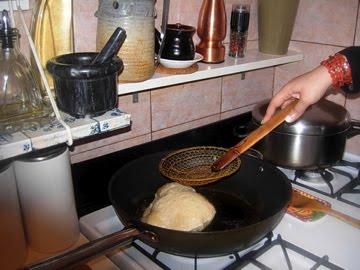
Now, carefully place one rolled out disc into the hot oil. It will sink to the bottom. With a slotted spoon or a Chinese Spider, gently press down on the poori as it floats to the top. This action helps fill air into the poori.

As soon as it has puffed, turn it over once – away from you and then remove it to a plate lined with a paper towels.
Repeat with the rest of the dough and serve immediately.

Notes:
Sometime the poori will not puff up – there could be a few reasons for that like the dough wasn’t smooth enough or the disc was rolled too thin or too thick. Just remember, it will still taste great and with practice you will be able to make the perfect puffed poori.